
Breakdowns rarely come out of nowhere. The run capacitor that quits on the first 95-degree afternoon was usually testing weak back in April. A pinhole leak lets the charge drift low over a whole season before the coil finally ices over. A flame sensor collects residue a little at a time until the furnace starts locking out on the worst possible night. In Corona, we see this pattern constantly, and every step of it shows up on a meter well in advance. Catching it early turns an emergency call into a scheduled, inexpensive part swap.
A tune-up without readings is a visit, not maintenance. Our spring cooling appointment includes capacitor testing in microfarads, amp draws on the compressor and fan compared with the data plate, a superheat and subcooling charge check, a condenser coil wash, a condensate drain flush with a float switch test, and a temperature split reading across the coil. Come fall, the heating appointment covers igniter resistance, flame signal in microamps, a heat exchanger inspection, burner cleaning, gas connection leak checks with a detector, draft confirmation, temperature rise against the data plate, and a test of every limit and safety control. On both visits, we handle the filter, calibrate the thermostat, and tighten electrical connections.
You see the results, not just a signature: readings recorded and compared against the last visit, so a drifting number gets caught while it is still a trend and not a failure. That record also keeps your efficiency honest, because a low charge, a dirty coil, or a mis-set blower quietly taxes every utility bill between breakdowns. Most manufacturers also expect routine professional maintenance under their warranty terms, and documented visits protect you there too. For HVAC maintenance in Corona that actually measures, call (951) 209-0244 and get on the schedule before the season does.
The repairs homeowners call us about most are AC Repair in Corona and Furnace Repair in Corona. If something has stopped working, start there.
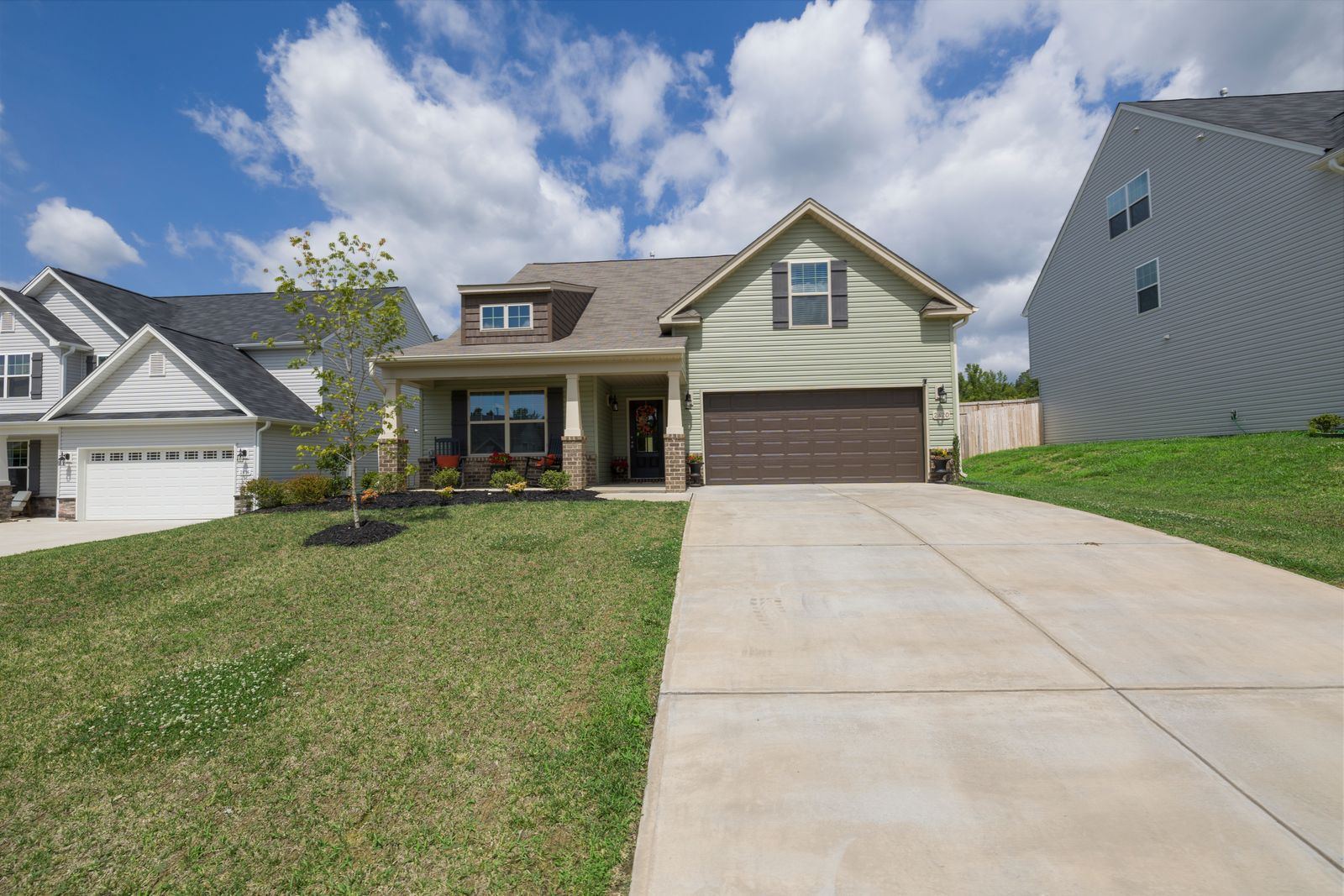
When to Call for HVAC Maintenance in Corona
The sooner you notice these red flags, the easier and cheaper the problem is to resolve. Watch for these telltale signs that professional help is needed:
- A newer unit with warranty terms that call for regular professional service
- Nobody has opened up the system in over a year
- New noises when the equipment starts up
- Filters you cannot remember changing, or a musty smell when the blower starts
- You simply have no idea what condition your equipment is actually in
- Higher heating and cooling costs with no clear explanation
- A breakdown last season that arrived with zero warning
- Longer run times to get to the thermostat setting
Don't Wait for a Total Failure
Most HVAC failures start small, a weak capacitor, a squealing blower, a system that runs a little longer each week. At the first hint of a problem, reach out to Corona HVAC at (951) 209-0244 for a fast inspection.
Need Help With HVAC Maintenance?
Our experienced technicians are standing by to help.
Get Help: (951) 209-0244HVAC Maintenance FAQ
The Benefits of Professional HVAC Maintenance
Filters, a clear outdoor unit, open registers, and a quick look at the drain are the homeowner's share of maintenance, and they matter. Everything beyond that needs a meter. Failures that leave you without heat or air rarely look like anything: an 80 percent capacitor looks like a healthy one, and a low charge is visible only in superheat and subcooling. A cracked heat exchanger, a lazy flame signal, a pressure switch near its limit, or an amp draw drifting toward the breaker rating all stay hidden until someone measures them, and each is less expensive to handle a season early.
Once gas is involved, maintenance becomes a safety issue. A failing burner, flame proving circuit, vent, or draft problem can put combustion products where they do not belong, which is why those items get instrumented verification every year. Corona HVAC makes those safety checks the core of each fall visit, never an upsell. The records add up, too: because each reading is compared against your history, the trend lines show which components are aging and which have plenty of life, so you replace the right part on your own schedule at a planned price, not an emergency one.
What to Expect From Our HVAC Maintenance
Our systematic workflow delivers thorough, lasting results on every job. Here's how we handle HVAC maintenance from start to finish:
Pre-Summer Cooling Visit
Before summer, we test capacitors, compare amp draws to the data plate, check charge by superheat and subcooling, wash the condenser coil, and flush the drain and test the float switch.
Fall Furnace Checkup
Igniter and flame signal tested, heat exchanger inspected, burners cleaned, gas connections leak-checked, draft verified, and temperature rise measured against the data plate.
Your System's History
Numbers from every visit build a history, which lets us spot a weakening part or a drifting charge months ahead of an actual breakdown.
Plain-Language Report
Before we leave, you get a clear report in plain language. Healthy parts are noted, drifting ones are flagged, and replacements are scheduled on your terms, never pushed with false urgency.
Want a Professional Opinion?
Our experienced technicians can assess your situation and recommend the best solution.
Get Help: (951) 209-0244Maintenance Tips for HVAC Maintenance
Taking preventive measures can help you avoid costly heating and cooling problems down the road. Start with these practical measures our team relies on:
- Keep the outdoor unit clear of vegetation and rinse the coil gently each spring
- Keep supply and return registers open in every room, even the ones you rarely use
- Schedule maintenance in early spring and early fall, ahead of the busy season and the extreme weather
- Swap the filter every one to three months, the most valuable habit a homeowner can build
- Jot down any unusual sounds or run times, since they help your technician diagnose early
- Check carbon monoxide alarms monthly in any home with fuel-burning appliances
- Flush the condensate line at the start of cooling season before algae blooms in it
DIY vs. Professional HVAC Maintenance
While some minor tasks like changing filters or checking a thermostat can be handled by homeowners, most HVAC work involves refrigerant, gas combustion, and high-voltage electricity, jobs that call for professional expertise. Here's a comparison:
| Factor | DIY Attempt | Professional Service |
|---|---|---|
| Capacitors | Look fine right up until failure | Measured every visit, replaced when weak |
| Refrigerant Charge | Leaks show up only when the coil freezes | Superheat and subcooling readings every spring |
| Gas Safety | A quick look at the flame and nothing more | Flame signal, draft, and exchanger verified |
| Trend Data | Nothing recorded, nothing learned | Year-over-year measurements on file |
| Repair Timing | Surprise failures at emergency rates | Planned repairs on a calm weekday |
| Warranty | No service record if you need one | Service records ready if you need them |
Talk to a HVAC Maintenance Expert
The sooner you call, the sooner your comfort is back. Reach Corona HVAC for fast service.
Call (951) 209-0244 TodayHVAC Maintenance Across the Corona Area
We serve Corona and its neighboring communities for HVAC maintenance, from quick same-day repairs to planned installs.